SERVICES / OVERVIEW
Australian product development services
Explore the products you can commission and the work Coda can coordinate. We agree the scope for manufacturer discussions, samples, packaging, quality documents and production preparation around your project.
WHO WE WORK WITH
What are you planning next?
You lead the brand and sales plan. Coda manages development discussions with Australian manufacturers.
- 01
Launch your own brand
Build on your retail, distribution or online sales experience with an Australian-manufactured product under your own name.
- 02
Extend an existing range
Add a food, drink or cosmetic product to a brand you already sell.
- 03
Serve an established customer base
Develop a product for customers across your stores, fitness business or franchise network.
PRODUCT PILLARS
Product categories we can explore
These areas offer starting points for a product brief. We assess each opportunity and the relevant manufacturers' capabilities against your market, brand and product requirements.
FOOD & WELLNESS
Food & Wellness
Food, beverage and everyday wellness development shaped around the consumer experience, convenience and market positioning.
- Powder and beverage concepts
- Convenient food formats
- Everyday wellness products
The appropriate product scope is determined after reviewing ingredients, proposed claims, intended use and target-market classification requirements.
BEAUTY & PERSONAL CARE
Beauty & Personal Care
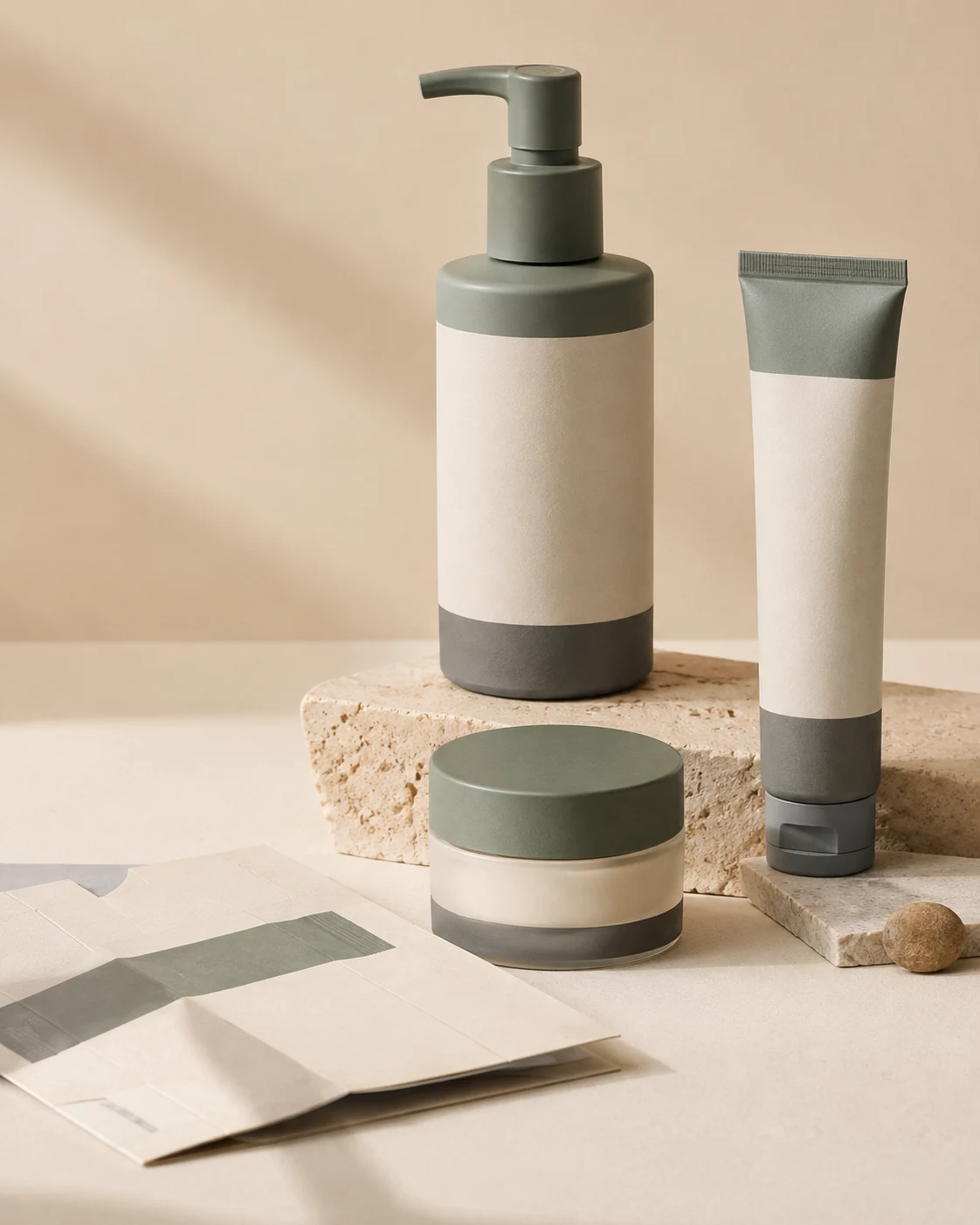
Cosmetic and everyday personal-care development that connects the brand experience with format, sensory qualities and packaging.
- Skincare
- Body care
- Hair and everyday personal care
Manufacturing scope and permissible labelling or promotional language are confirmed against the final formulation, intended use and target market.
BOTANICAL TOPICAL CARE
Botanical Topical Care
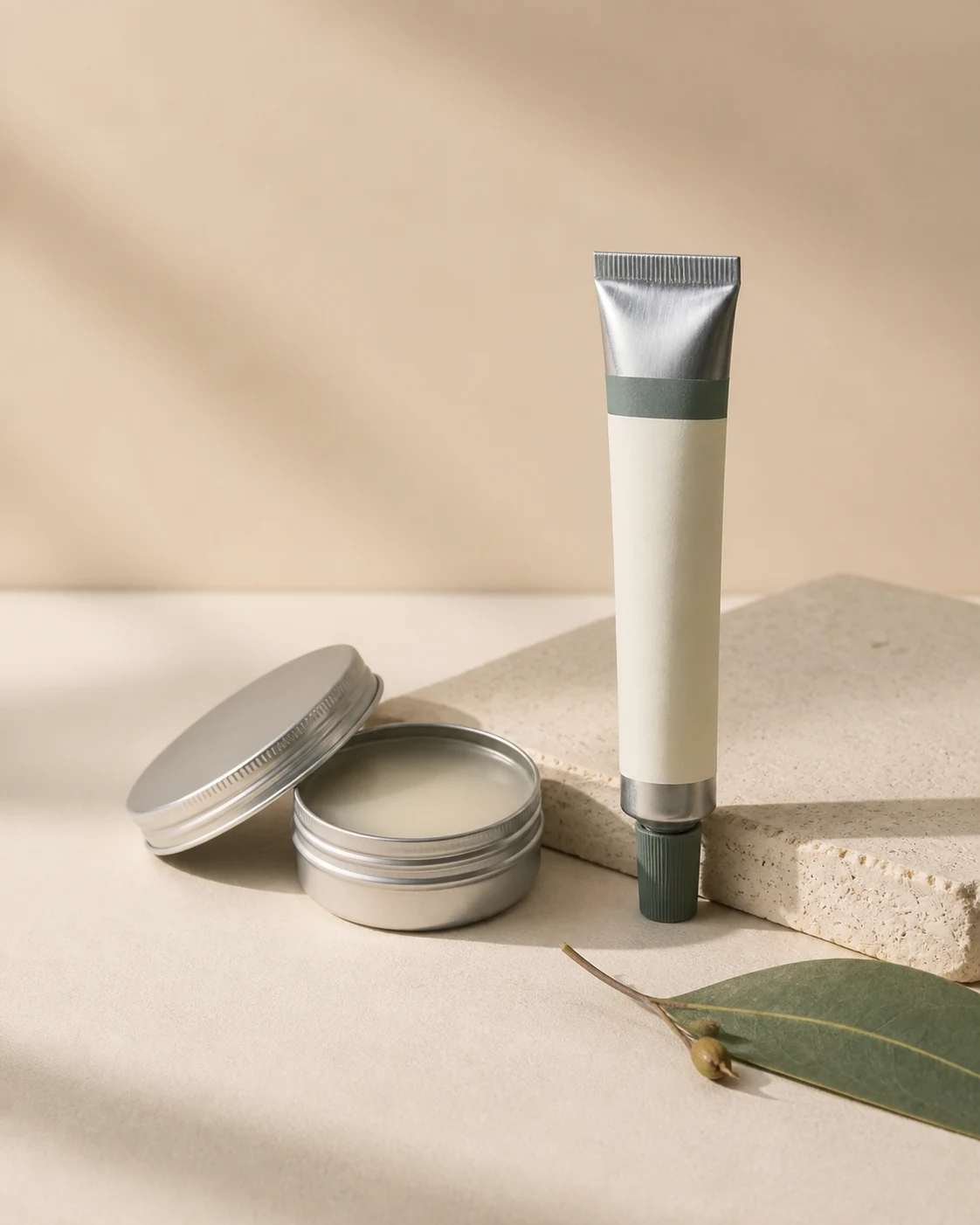
Non-medicinal skin and body concepts that connect Australian or botanical ingredient stories with a considered everyday-use experience.
- Botanical skincare
- Body and hand care
- Everyday topical-care concepts
The initial scope is everyday cosmetic care, distinct from medicinal or therapeutic products. Classification is assessed against the ingredients, intended use and proposed claims.
The specific product scope is established after reviewing ingredients, intended use, proposed claims, manufacturing feasibility and target-market requirements.
THREE DEVELOPMENT PATHWAYS
Choose the right starting point for the brief
Private Label, Semi-Custom and Full Custom each involve a different level of decision-making, sampling, cost and timing.
PATHWAY
Private Label
Start with an existing or manufacturer-supported base product and consider a commercially suitable configuration for your brand.
- Starting point
- An available base formulation or product specification confirmed for review
- Typical scope
- Selection from the manufacturer's existing flavour, colour and format options, with your branding, packaging and production preparation
May suit
- Brands that prefer an established starting point
- Projects seeking a clearly bounded set of choices
The existing formulation stays unchanged. Changes to ingredients, flavour or other formulation features are scoped as semi-custom development. Available options, minimum orders and usage rights are agreed with the manufacturer in writing.
PATHWAY
Semi-Custom Development
Begin with a confirmed base and adjust selected product characteristics to balance differentiation with development efficiency.
- Starting point
- A base formulation or platform the manufacturer confirms can be modified
- Typical scope
- Agreed ingredient, flavour, texture or format adjustments, sampling, packaging and specification coordination
May suit
- Brands needing selective product differentiation
- Projects seeking to contain development complexity
The available modification range, testing, cost, timing and minimum order are established after product and manufacturer feasibility review.
PATHWAY
Full Custom Development
Develop a new formulation, specification and packaging direction from your product brief.
- Starting point
- A new brief covering market objective, consumer, format, target cost and priorities
- Typical scope
- Feasibility, manufacturer selection, formulation, sampling, testing, packaging, documentation and production-readiness coordination
May suit
- Brands for which a distinctive product direction matters
- Projects prepared for iteration and a broader decision scope
Development scope, formulation rights and intellectual property are agreed for each project after reviewing manufacturer capability and existing rights. Any exclusivity requires a separate discussion and written agreement.
WHAT WE DO
The information behind each decision
Product requirements, quotations, sample feedback and production preparations are documented so you can approve specifications and costs at each stage.
Product development brief
- Product and market
- Format · Target customer · Sales market
- Product specifications
- Ingredients · Formulation · Size · Packaging
- Commercial requirements
- Expected volume · Target cost · Timing
- 01
Concept
Define the product opportunity and core proposition around the market, consumer and occasion.
- 02
Development
Build a commercial product brief and coordinate formulation and sample development.
- 03
Sourcing
Review Australian ingredient, manufacturing and packaging partners against the brief.
- 04
Private Label
Shape a Private Label, Semi-Custom or Full Custom pathway around your brand.
- 05
Quality
Coordinate product specifications, testing and documentation such as certificates of analysis with external specialists.
- 06
Export
Organise product, packaging, logistics and documentation inputs for target-market discussions.
These are examples of project working documents. Deliverables, testing scope and fees are agreed in your proposal before paid work is commissioned.
WHY CODA
Why use an Australian development coordinator?
A well-defined specification lets you compare manufacturers and quotations on the same terms. Coda Group turns your requirements into a product brief, then records sample feedback, changes and approvals so each stage builds on the agreed decisions.
Create a manufacturer-ready basis
Bring the product, customer, destination market, format, target price and expected volume into a structured brief.
Review feasibility and quotations on like-for-like terms
Check capability, MOQ, development scope, cost items, available documents and indicative timing against the same specification.
Carry approved decisions into production readiness
Record sample feedback, approved specifications, packaging, agreed testing and handover documents so the agreed changes carry through to production preparation.
DEVELOPMENT PROCESS
The detail behind development and production preparation
Scope and sequence vary by product and market, but projects are generally organised around the following development path.
Opportunity & Brief
Define the market, consumer, format, target cost and success criteria.
Feasibility
Review category, volume, ingredients, format and initial commercial conditions.
Manufacturer Selection
Confirm suitable external manufacturing capability and documentation scope.
Development & Sampling
Review formulation and prototypes and coordinate the required iterations.
Packaging
Consider product protection, filling, usability, transport and label space together.
Quality Documentation
Coordinate specifications, required testing, certificates of analysis (COAs) and other agreed documents.
Production
Coordinate external manufacturing against the agreed specification, volume and schedule.
Export Preparation
Organise product information, packing, logistics and items needed for target-market review.
Product development example
FEATURED PRODUCT EXAMPLE
Product development example
AUSTRALIAN DAILY HYDRATION
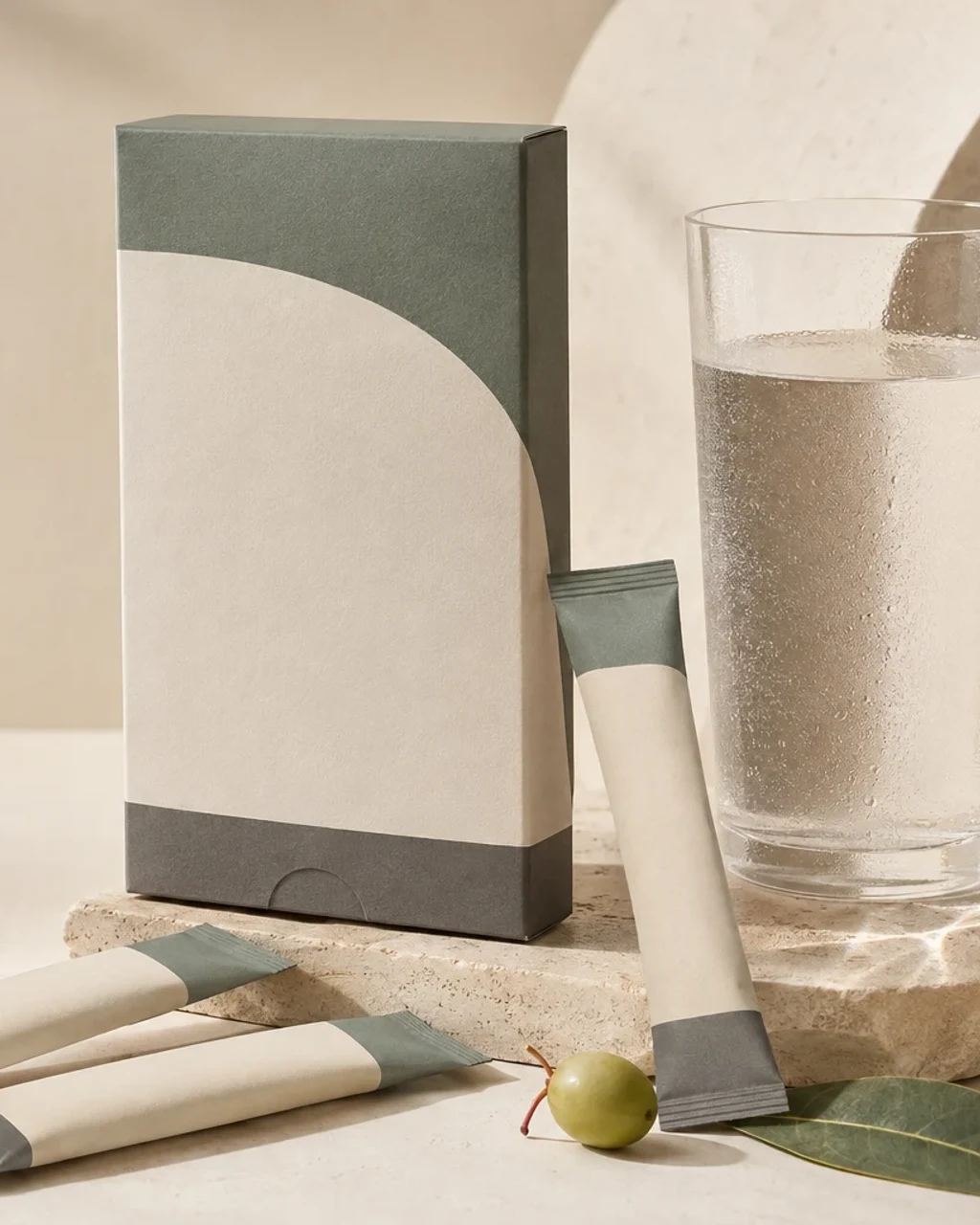
For example, a single-serve hydration powder stick for active everyday use could be discussed with an Australian manufacturing partner. This is an illustration of the service—not an active product-development project—and clients may propose a different product, ingredient profile, flavour or pack format.
- Example format
- 15-stick retail carton · single-serve sachets
Example product elements
- Electrolyte formulation
- Vitamin C
- Illustrative ingredient option: Australian-grown Kakadu Plum
- Low-sugar or no-added-sugar formulation options
- Single-serve stick intended for approximately 500 mL of water
- Illustrative development direction for Australian manufacture
- Private-label potential
The elements shown illustrate a possible brief; formulation and production plans remain unconfirmed. Manufacturing feasibility, ingredients, specifications, claims and regulatory requirements would be established through a client brief, manufacturer review, testing and target-market review.
View the product exampleINTERNATIONAL MARKETS
Australian product development for international markets
Coda Group connects and organises the local development work international brands, distributors and businesses need when assessing an Australian product opportunity.
We consider product specifications, packaging, quality documents and logistics preparation in one commercial context, coordinating external regulatory specialists where required.
Importers and relevant specialists assess destination-market requirements for each product. Registration, approval and customs decisions rest with the responsible authorities; commercial plans are assessed separately.
FREQUENTLY ASKED QUESTIONS
Questions commonly asked before a first meeting
Start with clear answers about manufacturing roles, MOQ, costs, samples, rights and target-market requirements.
What do Coda and the manufacturer each handle?
Coda is your point of contact for Australian product development. We turn your requirements into a product brief and manage the agreed work across manufacturer selection, quotations, samples, packaging and production preparation. External manufacturers develop and make the product, laboratories carry out testing, and import and labelling specialists handle their respective areas.
What is the minimum order quantity (MOQ)?
Your product quotation will state the minimum order as a specific quantity. We distinguish the minimum manufacturing batch from minimum orders for containers and printed packaging, and explain how these relate to the number of finished units. Share your intended first order so we can propose manufacturing and packaging options suited to that scale.
What budget do we need to get started?
Once the product, packaging and quantity are defined, we propose an estimated first-order total. The quotation sets out the Coda-managed work included, separately charged items and payment stages. Freight, customs and taxes are identified where they require separate settlement. Paid work starts only after you approve the quotation and scope.
How do the three development pathways differ?
Private Label uses a manufacturer's existing formulation with your brand and packaging. Semi-Custom changes selected ingredients or features, such as fragrance or flavour, within the manufacturer's available options. Full Custom creates a new formulation to your brief and generally involves more development fees, sampling and testing time.
How do you help prepare for importing into Korea?
Coda connects the Australian manufacturer's document preparation with the work of your Korean importer and specialists. Before production, the team establishes the product classification, ingredients and Korean label, and identifies the facility registrations, test records and import documents needed for that product. The Korean importer and specialists handle the relevant authorities' registration, declaration and inspection procedures, including MFDS procedures where applicable, and customs clearance. We set out the required documents, responsible parties and preparation sequence for you.
START A CONVERSATION
Have a product opportunity in mind?
Tell us about the idea, target market, expected volume and current stage. We can then identify the most useful next steps.